


Home Depot is a popular destination for homeowners looking for tools, building materials, appliances, flooring, paint, lighting, and other supplies for home improvement projects. Whether you are planning a small repair or a major renovation, project costs can quickly increase if you do not have a clear budget. Fortunately, there are several practical ways to reduce expenses while still getting quality products and completing your project successfully. Planning ahead, comparing products, watching for promotions, choosing the right materials, and avoiding unnecessary purchases can make a significant difference. This guide explains how homeowners can save money on home improvement projects while shopping at Home Depot and making smart decisions throughout the renovation process.
Create a Detailed Home Improvement Budget
Before purchasing anything, determine exactly how much you can afford to spend. A detailed budget should include materials, tools, labor, delivery, permits when necessary, and unexpected expenses. Start by making a list of everything required for your project. For example, if you are painting a bedroom, your list may include paint, brushes, rollers, painter’s tape, trays, drop cloths, primer, and other supplies. Having a complete list makes it easier to avoid unnecessary purchases. It is also wise to keep an emergency portion of your budget available. Older homes can sometimes have hidden problems that become visible during renovation. Setting aside approximately 10 to 20 percent for unexpected expenses can help prevent financial stress.
Compare Different Products and Brands
One of the easiest ways to save money is to compare products before making a purchase. Similar items can have very different prices depending on their brand, features, size, and quality. When shopping at the Home Depot, compare several options rather than automatically selecting the most expensive product. Consider whether you actually need premium features for your particular project. For example, a basic interior paint may be sufficient for a low traffic room, while a more durable product may be worthwhile for a kitchen, hallway, or children’s room. Similarly, professional grade tools may not be necessary if you only plan to use them once. Always compare specifications, warranties, customer reviews, and durability along with price. The cheapest product is not always the best value if it needs to be replaced quickly.
Watch for Sales and Special Promotions
Timing your purchases can help lower your overall project cost. Home improvement retailers regularly offer promotions on different categories, including appliances, tools, flooring, outdoor products, lighting, and seasonal merchandise. Instead of purchasing everything immediately, check for current promotions and consider whether some purchases can wait. If your project is flexible, planning purchases around major sale periods can provide additional savings. You can also check the Home Depot website and local store promotions before visiting the store. Prices and promotions may vary by product and location, so reviewing available offers beforehand can help you make better purchasing decisions.
Make a Shopping List and Stick to It
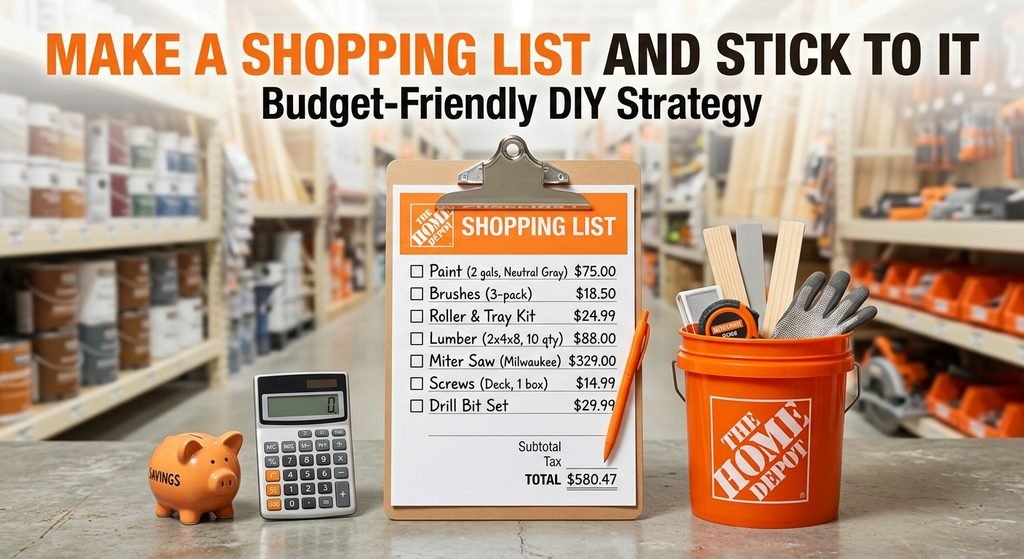
Impulse purchases can easily increase the cost of a renovation. Home improvement stores contain thousands of products, and it is easy to buy items that look useful but are not actually necessary. Create a shopping list based on your project home plan and stick to it. Before buying an additional product, ask yourself whether it is essential for completing the project. For larger renovations, divide your shopping list into phases. Purchase the materials needed for the current stage instead of buying everything at once. This approach can improve cash flow and reduce the chance of purchasing materials that later become unnecessary.
Reuse Materials Whenever Possible
Reusing existing materials is another effective way to control costs. Before replacing something, determine whether it can be repaired, refinished, cleaned, or repurposed. For example, existing cabinets may be refreshed with paint and new hardware instead of completely replaced. Old furniture may also be refinished rather than discarded. If you are replacing flooring, cabinets, doors, or other items, consider whether some components can be reused elsewhere in your home. Reusing materials reduces both purchasing costs and waste.
Choose DIY Projects Carefully
Labor can represent a large portion of a home improvement budget. If you have the necessary skills and time, completing certain projects yourself can reduce expenses considerably. Simple tasks such as painting, installing shelves, replacing cabinet hardware, assembling furniture, or completing basic landscaping may be suitable for DIY work. However, homeowners should recognize their limitations. Electrical, plumbing, structural, roofing, and other specialized work can require professional knowledge and may involve safety or building code requirements. Attempting complicated work without the proper skills can result in expensive mistakes. A good strategy is to handle simple tasks yourself while hiring professionals for work that requires specialized expertise.
Buy the Correct Amount of Materials
Buying too little material can create delays, while buying too much can waste money. Measure your project carefully before shopping. For flooring, tile, paint, lumber, and similar materials, calculate the required quantity and include an appropriate allowance for waste. The amount of extra material needed depends on the type of project and material. For example, flooring installations may require additional material because of cuts and pattern matching. Paint requirements can depend on the surface, number of coats, and product coverage. Accurate measurements help you avoid unnecessary purchases and reduce the amount of unused material left after the project is finished.
Consider Store Brands and Value Options
Name brands are not always necessary for every home improvement project. Depending on the product category, value focused alternatives may provide the performance you need at a lower price. When considering an alternative brand, review its specifications and customer feedback. Make sure the product is appropriate for the intended application. For basic supplies such as certain hardware, storage products, painting accessories, and other everyday materials, a lower priced option may be perfectly adequate. However, for products that affect safety, durability, or long term performance, quality should remain a priority.
Use Tools You Already Own
Tools can become a surprisingly large expense during home renovations. Before purchasing a new tool, look through your existing collection to see whether you already own something that can complete the job. For tools that you will rarely use, consider borrowing from a friend or family member when practical. Depending on the project and availability, tool rental may also be more economical than purchasing expensive equipment that will spend most of its life in storage. When you do need to buy a tool, consider its versatility. A multipurpose tool that can handle several projects may offer better long term value than several specialized tools.
Shop Online Before Going to the Store
Researching products online before visiting a store can make shopping more efficient and help you compare options. Product descriptions, specifications, customer reviews, and availability information can help you narrow down your choices. The Home Depot online shopping experience can also make it easier to create a list of potential products before purchasing. Check measurements carefully, especially for appliances, doors, flooring, lumber, and other products where size matters. Online research also helps prevent rushed decisions. Instead of buying the first item you see, you can compare several alternatives and determine which one best fits your budget.
Avoid Changing Your Plan During the Project
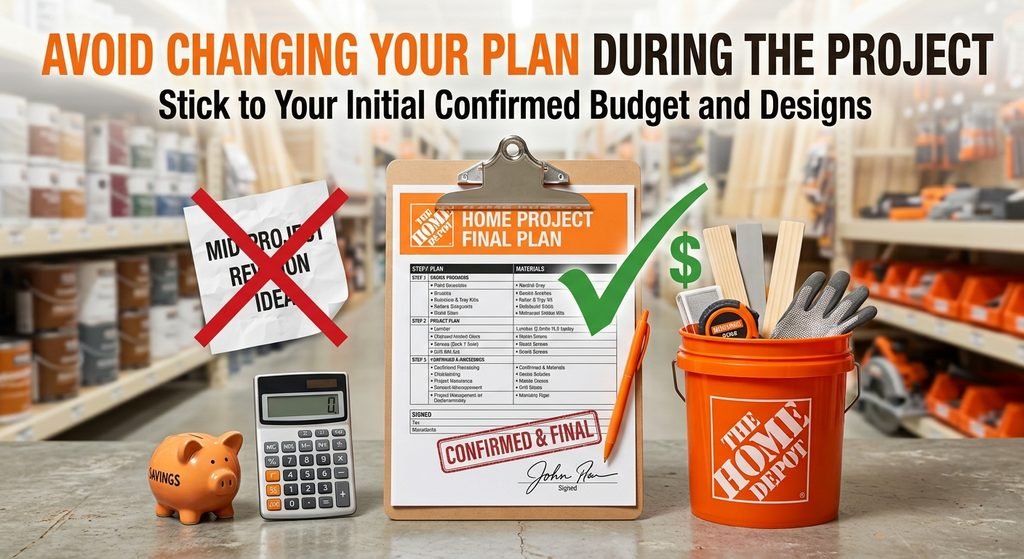
Mid project changes can significantly increase renovation costs. Once work begins, changing materials, colors, layouts, or designs can lead to additional purchases and wasted materials. Before starting, finalize important decisions such as colors, dimensions, finishes, and product types whenever possible. For example, deciding to change flooring after installation has started may require removing materials and purchasing replacements. Taking additional time during the planning stage can therefore save money later.
Look for Clearance and Overstock Opportunities
Clearance products can sometimes provide excellent value, particularly for projects where exact colors or styles are not essential. Items that are being discontinued, overstocked, or replaced by newer versions may be available at reduced prices. This can be useful for projects involving tools, seasonal products, décor, lighting, or other items where availability of an identical replacement is not important. However, inspect clearance merchandise carefully. Make sure you have enough quantity for your project and understand whether the product can be returned if circumstances change.
Maintain Your Home to Avoid Bigger Expenses
Saving money on home improvement is not only about finding cheaper products. Regular maintenance can prevent small problems from becoming expensive repairs. Inspect areas such as roofs, gutters, plumbing fixtures, doors, windows, caulking, and exterior surfaces regularly. Addressing minor problems early can reduce the likelihood of major damage. Simple maintenance tasks can extend the life of existing materials and appliances, helping you postpone expensive replacements.
Take Advantage of Professional Advice
When you are uncertain about a project, getting advice before purchasing materials can prevent costly mistakes. Store associates, manufacturers, installation professionals, and experienced contractors can sometimes provide useful guidance about product selection and quantities. Doing your research before making major purchases is especially important for complex projects. Understanding installation requirements can help you calculate the true cost of a project rather than focusing only on the price of the primary material.
Conclusion
Saving money on home improvement projects requires planning, comparison, patience, and careful purchasing decisions. Home Depot can be a convenient source for many of the products required for repairs and renovations, but homeowners can get better value by creating a realistic budget, comparing brands, watching promotions, measuring accurately, reusing materials, and avoiding unnecessary purchases. DIY work can reduce labor costs when the project is appropriate for your skill level, while professional assistance remains important for specialized jobs. Shopping strategically and maintaining your home regularly can also help protect your budget over the long term. The best approach is not simply to spend as little as possible. Instead, focus on getting reliable materials and completing the project correctly while avoiding expenses that do not add meaningful value. With careful planning, homeowners can make their renovation budgets go further and achieve attractive, practical results without unnecessary spending.
Frequently Asked Questions
How can I save money on Home Depot home improvement projects?
Start with a detailed budget and shopping list. Compare brands and products, look for sales and clearance opportunities, reuse existing materials, and complete suitable DIY tasks. Accurate measurements can also prevent unnecessary purchases.
Is it cheaper to do home improvement projects yourself?
DIY projects can reduce labor expenses when you have the necessary skills and equipment. Simple painting, decorating, shelving, and basic maintenance tasks may be suitable for DIY work. Specialized electrical, plumbing, structural, and other complicated work should generally be handled by qualified professionals.
Should I buy the cheapest materials available?
Not necessarily. The lowest price does not always provide the best value. Consider quality, durability, warranty, specifications, and customer reviews before choosing a product.
How much extra material should I buy?
The amount of extra material depends on the project. Materials such as flooring and tile often require additional quantity to account for cuts and waste. Measure carefully and follow manufacturer recommendations when available.
How can I avoid overspending during a renovation?
Set a budget before beginning, create a detailed shopping list, prioritize essential work, and avoid making unnecessary design changes once the project has started. Tracking expenses throughout the renovation can also help you stay within your planned budget.
[…] simple as searching the regular Home Depot website for items priced at $0.01. If you want to learn How to find penny items at Home Depot online, it helps to understand how clearance pricing works, how inventory information can be checked, and […]
[…] Home Depot employee pay is one of the most important factors for part-time associates. Your actual earnings can depend on your position, location, experience, scheduled hours, applicable wage policies, and other factors. Part-time schedules can vary considerably. One week may provide more available hours than another, so employees should understand how scheduling affects their expected income. […]